Egg Noodles
Egg noodles are one of those delightful staples in the culinary world that often flies under the radar but can completely transform a dish. With their rich flavor and satisfying texture, egg noodles are perfect for everything from comforting bowls of soup to robust casseroles. Making them from scratch is not only rewarding but also surprisingly simple. With just a handful of ingredients, you can whip up a batch of fresh, homemade egg noodles that will elevate your meals to new heights. Let’s dive into the world of egg noodles and explore why they deserve a spot in your kitchen.
Why Egg Noodles is Worth Your Time
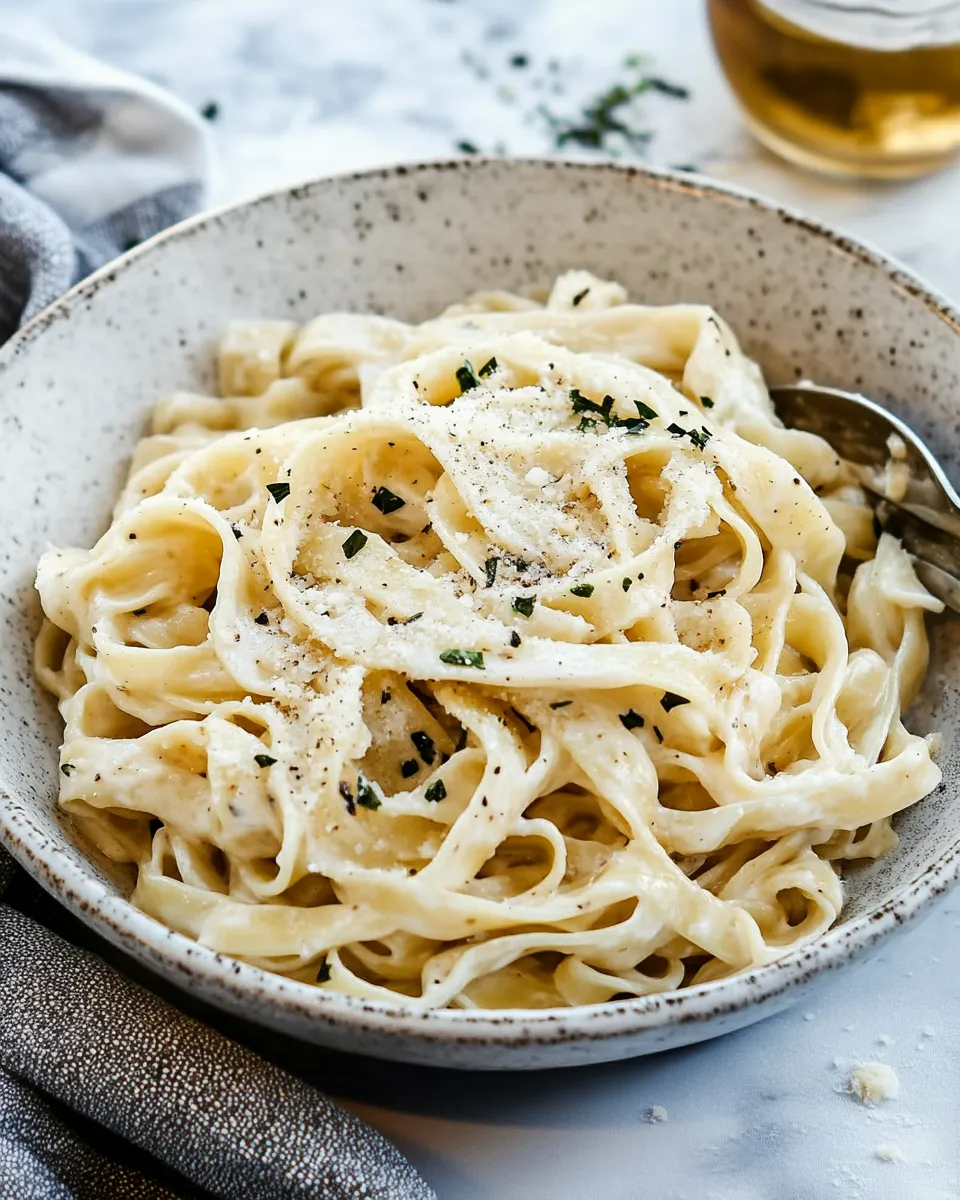
Egg noodles are incredibly versatile and can be used in a variety of cuisines. They absorb flavors beautifully, making them an excellent choice for everything from stir-fries to creamy pastas. Here are a few reasons why you should consider making egg noodles at home:
- Freshness: Homemade egg noodles taste far superior to store-bought versions. You can enjoy the rich flavor and tender texture that comes from making them fresh.
- Customizable: You can tweak the recipe according to your taste. Add herbs, spices, or even different types of flour to create unique flavors.
- Simple Ingredients: With just a few pantry staples, you can make these delicious noodles without any additives or preservatives.
- Cost-Effective: Making egg noodles at home is often cheaper than buying specialty noodles, especially if you frequently use them in your cooking.
- Fun Activity: Involving family or friends in the noodle-making process adds a fun and interactive element to your cooking routine.
What to Buy
Before you begin, gather the following ingredients. These are the essentials you’ll need to make perfect egg noodles:
- 2 large eggs: The base of your noodles, providing richness and binding.
- 3/4 teaspoons salt (4.5 g): Enhances the flavor of the noodles.
- 2 tablespoons milk (30 ml): Adds moisture and tenderness.
- 1 1/2 – 2 cups all-purpose flour (180 to 240 g): The foundation for your noodles. Adjust based on dough consistency.
Hardware & Gadgets
Having the right tools can make your noodle-making experience smoother and more enjoyable. Here’s a list of helpful items:
- Mixing bowl: For combining your ingredients.
- Rolling pin: Essential for rolling out the dough to your desired thickness.
- Knife or pizza cutter: For cutting the noodles into your preferred shape.
- Flour sifter: To ensure your flour is light and airy, which helps in achieving a better texture.
- Plastic wrap: To cover your dough while it rests, preventing it from drying out.
Method: Egg Noodles
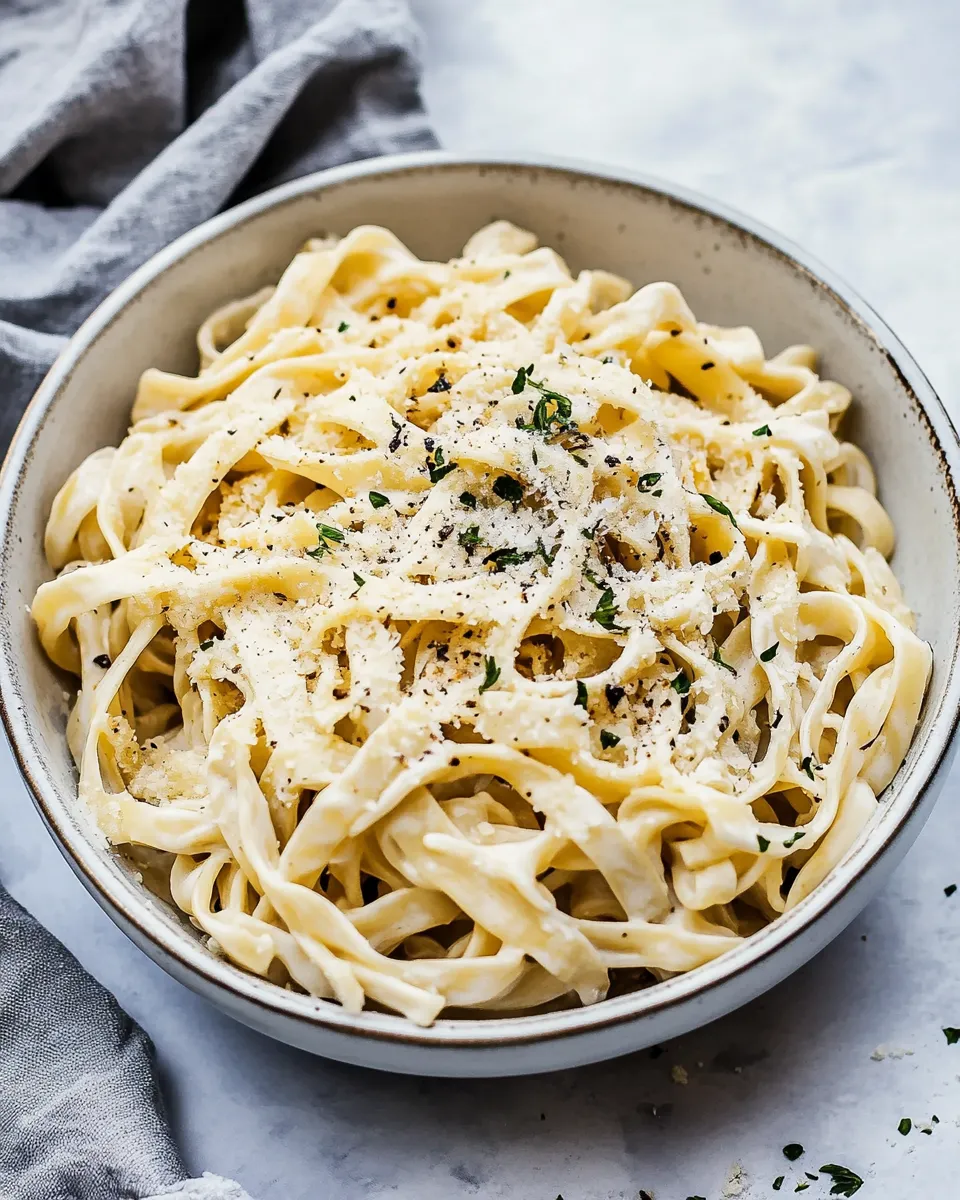
Making egg noodles is a straightforward process that requires just a few steps. Here’s how to do it:
Step 1: Prepare the Dough
In a mixing bowl, combine the two large eggs, salt, and milk. Whisk them together until well blended.
Step 2: Add the Flour
Start adding the all-purpose flour gradually. Begin with 1 1/2 cups and mix until a dough starts to form. If the dough is too sticky, gradually add more flour until it reaches a workable consistency.
Step 3: Knead the Dough
Turn the dough out onto a floured surface. Knead the dough for about 5-7 minutes until it becomes smooth and elastic. If the dough is too dry, add a little milk or water.
Step 4: Rest the Dough
Wrap the kneaded dough in plastic wrap and let it rest for at least 30 minutes at room temperature. This allows the gluten to relax, making it easier to roll out.
Step 5: Roll Out the Dough
After resting, divide the dough into two parts. On a floured surface, roll out one piece of dough to your desired thickness, typically around 1/8 inch thick.
Step 6: Cut the Noodles
Using a knife or pizza cutter, cut the rolled-out dough into strips of your preferred width. You can make them as wide or as narrow as you like!
Step 7: Cook the Noodles
Bring a large pot of salted water to a boil. Add your freshly cut noodles and cook for about 2-4 minutes, or until al dente. Fresh noodles cook much quicker than dried ones, so keep an eye on them!
Step 8: Drain and Serve
Once cooked, drain the noodles and serve them with your favorite sauce or in a stir-fry. Enjoy the fruits of your labor in a delicious meal!
Swap Guide
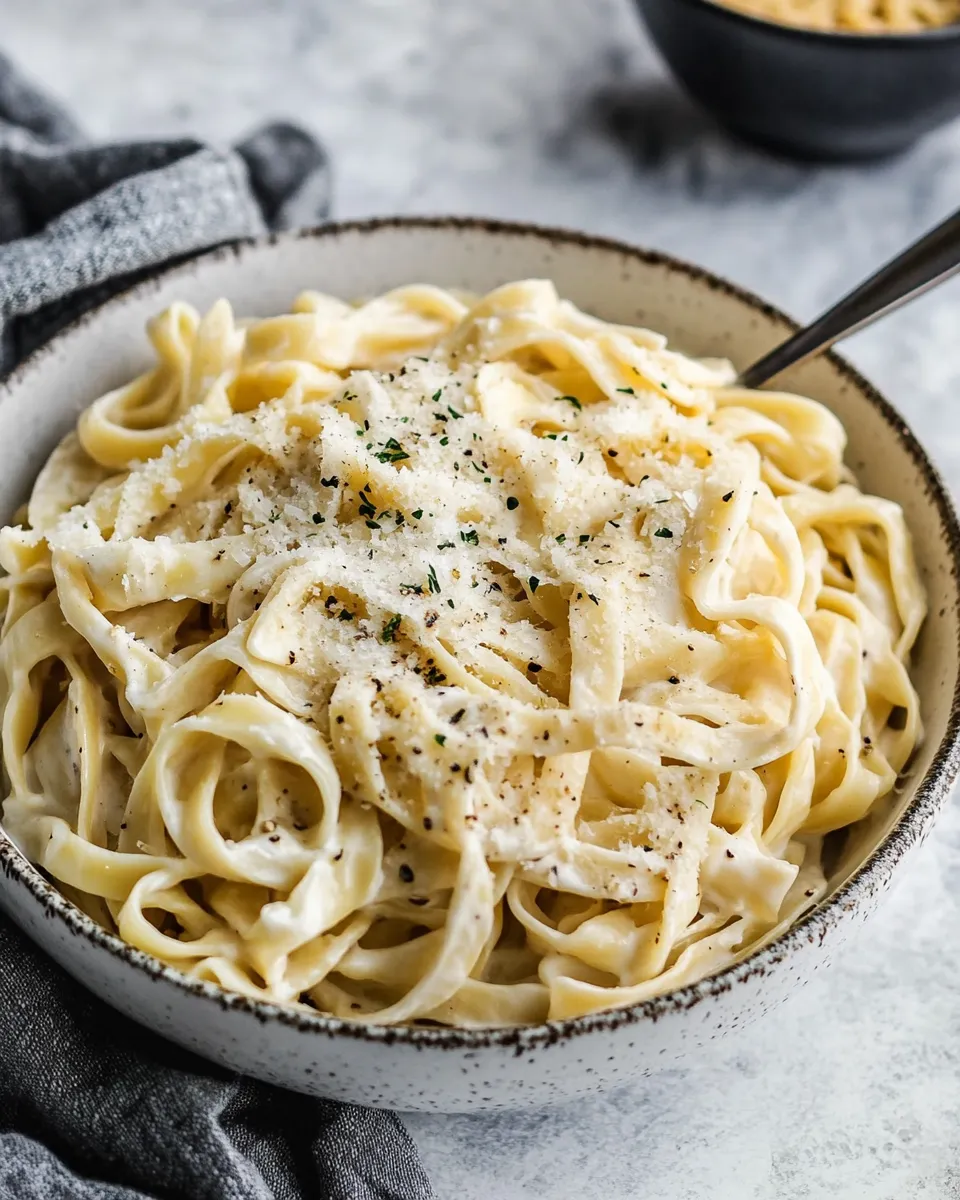
If you’re looking to modify the recipe or substitute ingredients, here are some ideas:
- Flour: Whole wheat flour or gluten-free flour can be used as alternatives, though they may change the texture.
- Milk: Use almond milk or oat milk for a dairy-free version.
- Salt: If you need a low-sodium option, consider using sea salt or reducing the amount.
- Eggs: For a vegan alternative, use flaxseed meal mixed with water to create a binding agent.
Method to the Madness
The beauty of making egg noodles is that you can customize them to suit your tastes and dietary needs. Here’s how to get creative:
- Add herbs such as parsley or basil to the dough for a flavor boost.
- Incorporate spices like garlic powder or onion powder for a savory kick.
- Create colored noodles by adding pureed vegetables like spinach or beetroot to the dough.
- Experiment with different shapes! Try making fettuccine, tagliatelle, or even stuffed noodles like ravioli.
- Pair your noodles with a variety of sauces, from creamy Alfredo to tangy marinara, or toss them in a simple garlic butter sauce.
How to Store & Reheat
If you have leftover egg noodles or want to make a batch ahead of time, here’s how to store and reheat them properly:
To store cooked egg noodles, let them cool completely, then place them in an airtight container. They can be stored in the refrigerator for up to 3 days. To reheat, simply add them to boiling water for a minute or two, or heat them in a skillet with a little olive oil or butter until warmed through.
If you want to freeze your noodles, spread them out on a baking sheet to freeze individually before transferring them to a freezer-safe bag or container. They can be kept in the freezer for up to 3 months. To cook frozen noodles, add them directly to boiling water without thawing.
Your Top Questions
Can I make egg noodles without eggs?
While traditional egg noodles rely on eggs for their rich flavor and texture, you can create egg-free noodles using flour and water. However, the taste and texture will differ significantly from classic egg noodles.
How can I tell when the noodles are done cooking?
Fresh egg noodles typically cook very quickly, usually within 2-4 minutes. They are done when they float to the top of the boiling water and have a tender texture. Taste a noodle to ensure it’s cooked to your liking.
What dishes can I use egg noodles in?
Egg noodles are incredibly versatile! You can use them in soups like chicken noodle soup, stir-fries, casseroles, or simply toss them with your favorite sauce and vegetables for a quick meal.
Can I use whole wheat flour instead of all-purpose flour?
Yes, you can use whole wheat flour, but it may result in a denser noodle. You might need to adjust the amount of liquid slightly to achieve the right dough consistency.
Before You Go
Now that you’ve got all the details on making homemade egg noodles, it’s time to roll up your sleeves and get cooking! Whether you’re preparing a comforting bowl of noodle soup or an elegant pasta dish, these egg noodles will surely impress your family and friends. Remember, the joy of cooking comes from experimentation and creativity, so don’t hesitate to make this recipe your own. Enjoy the process, savor the flavors, and let your culinary skills shine with these delightful homemade egg noodles!
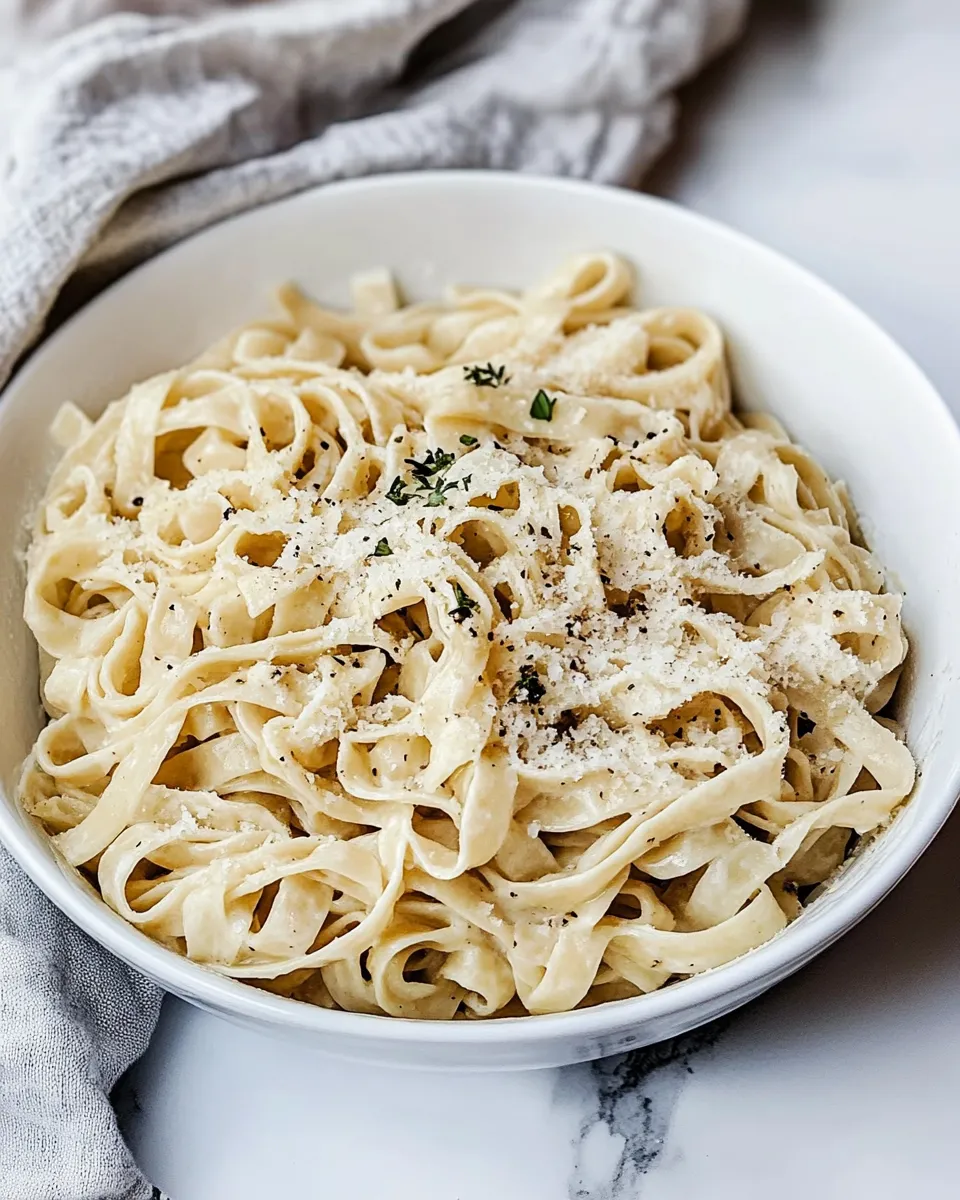
Egg Noodles
Ingredients
Equipment
Method
- In a mixing bowl, combine the two large eggs, salt, and milk. Whisk them together until well blended.
- Start adding the all-purpose flour gradually. Begin with 1 1/2 cups and mix until a dough starts to form. If the dough is too sticky, gradually add more flour until it reaches a workable consistency.
- Turn the dough out onto a floured surface. Knead the dough for about 5-7 minutes until it becomes smooth and elastic. If the dough is too dry, add a little milk or water.
- Wrap the kneaded dough in plastic wrap and let it rest for at least 30 minutes at room temperature.
- After resting, divide the dough into two parts. On a floured surface, roll out one piece of dough to your desired thickness, typically around 1/8 inch thick.
- Using a knife or pizza cutter, cut the rolled-out dough into strips of your preferred width.
- Bring a large pot of salted water to a boil. Add your freshly cut noodles and cook for about 2-4 minutes, or until al dente.
- Once cooked, drain the noodles and serve them with your favorite sauce or in a stir-fry.
Notes
- Store cooked noodles in an airtight container in the fridge for up to 3 days.
- Freeze uncooked noodles by spreading them on a baking sheet before transferring to a bag.
- Experiment with different flours for unique flavors and textures.