Saffron Rice Recipe
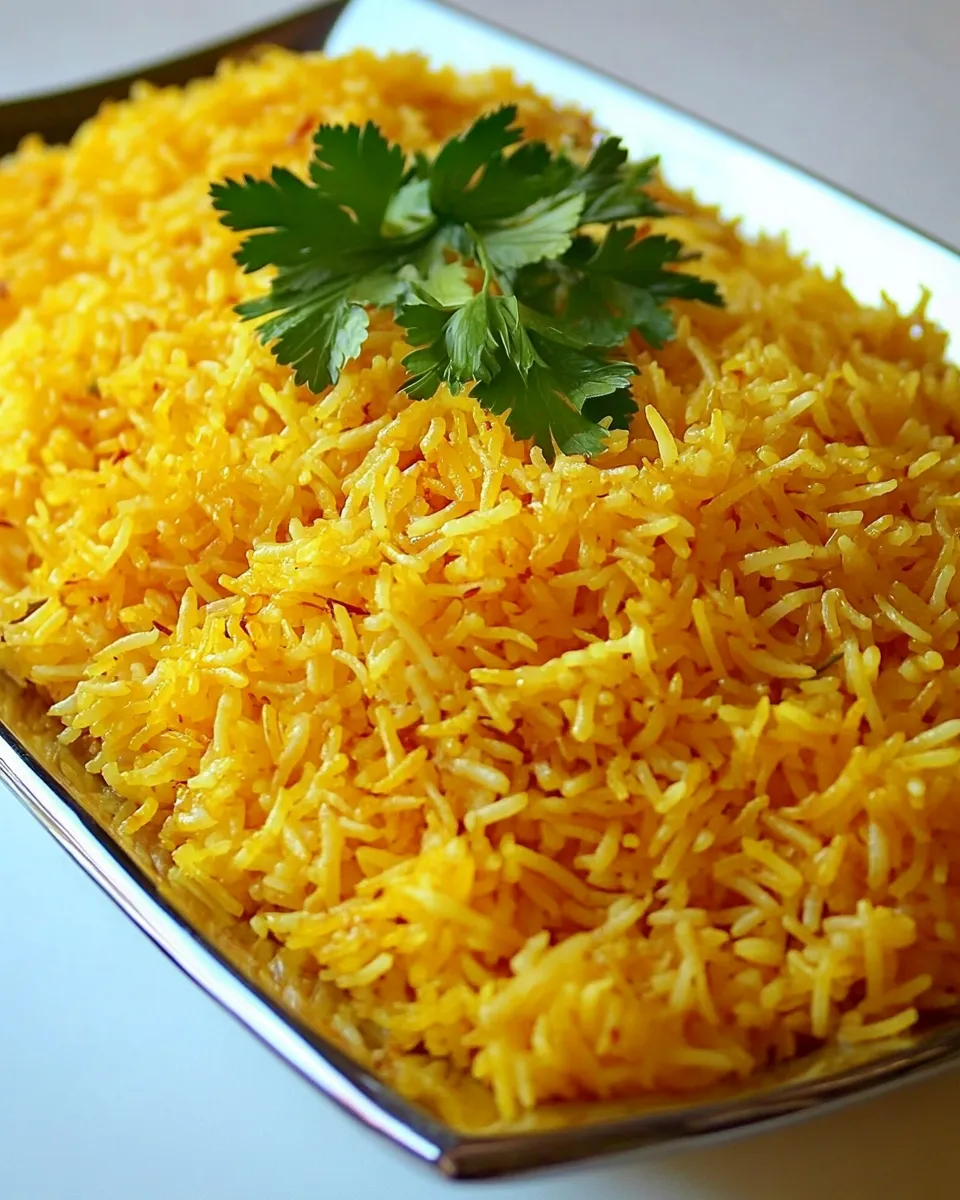
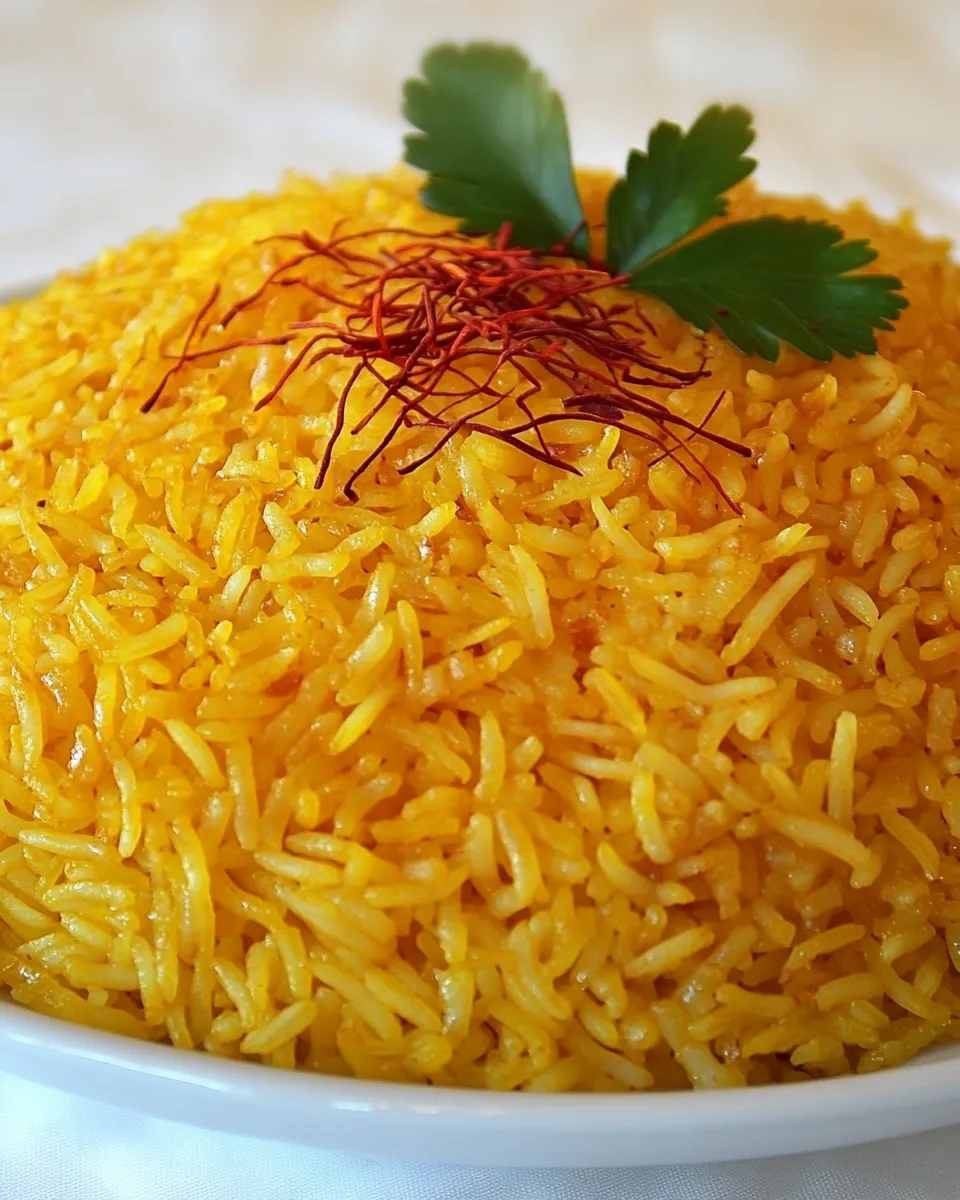
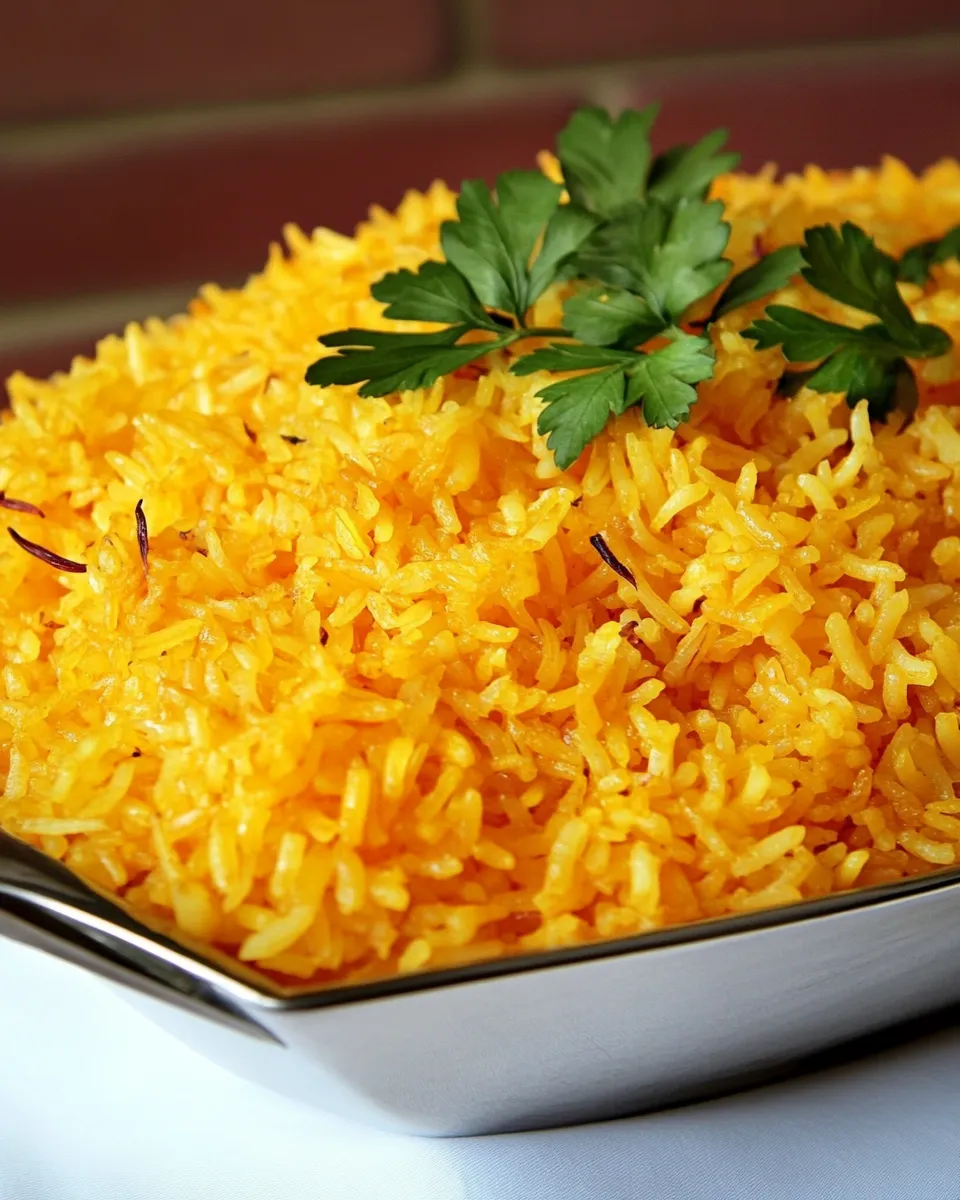
There’s something magical about saffron rice. The vibrant golden hue, the delicate aroma, and the unique flavor make it a standout dish that can elevate any meal. Whether you’re serving it alongside roasted chicken, a fresh salad, or grilled vegetables, saffron rice is the perfect side. This Saffron Rice Recipe is simple yet elegant, making it a fantastic addition to your culinary repertoire. Let’s dive into this aromatic dish that’s sure to impress your family and friends!
Top Reasons to Make Saffron Rice Recipe
- Flavorful: The infusion of saffron creates a unique and rich flavor that’s unlike any other rice dish.
- Versatile: Perfect as a side dish or a base for a variety of meals, from Mediterranean to Middle Eastern cuisines.
- Easy to Prepare: With just a few ingredients and simple techniques, this dish can be whipped up in no time.
- Eye-Catching: The vibrant color of saffron rice adds a beautiful touch to any plate.
- Nutritious: Basmati rice is a great source of carbohydrates and can be part of a balanced diet.
Ingredient Checklist
- 2 cups Basmati Rice
- 3 cups Broth (chicken or vegetable)
- 1 pinch Saffron threads soaked in 2 tablespoons hot water for 10 minutes
- 1 teaspoon Salt
- 2 tablespoons Olive Oil
- 1 cup diced onions
Before You Start: Equipment
- Medium saucepan: Ideal for cooking the rice.
- Measuring cups: For accurate measurement of rice and broth.
- Wooden spoon: To stir and combine the ingredients properly.
- Strainer: For rinsing the rice before cooking.
Step-by-Step: Saffron Rice Recipe
Step 1: Rinse the Rice
Begin by rinsing the 2 cups of basmati rice under cold water. This process removes excess starch and prevents the rice from becoming sticky. Rinse until the water runs clear, and then let the rice drain in a strainer.
Step 2: Soak the Saffron
While the rice is draining, soak a pinch of saffron threads in 2 tablespoons of hot water for about 10 minutes. This will allow the saffron to release its beautiful color and flavor.
Step 3: Sauté the Onions
In a medium saucepan, heat 2 tablespoons of olive oil over medium heat. Add the diced onions and sauté until they become translucent and fragrant, about 5 minutes. Stir occasionally to prevent them from browning.
Step 4: Add the Rice
Once the onions are ready, add the rinsed basmati rice to the saucepan. Stir the rice gently to coat it in the olive oil and mix it with the onions. Toast the rice for about 2 minutes, stirring frequently.
Step 5: Add Broth and Saffron
Pour in 3 cups of broth (chicken or vegetable) along with the soaked saffron and its water. Add 1 teaspoon of salt. Stir everything together, ensuring the rice is evenly distributed in the liquid.
Step 6: Bring to a Boil
Increase the heat and bring the mixture to a gentle boil. Once it starts bubbling, reduce the heat to low and cover the saucepan with a tight-fitting lid.
Step 7: Simmer
Let the rice simmer on low heat for about 15-20 minutes, or until all the liquid has been absorbed and the rice is tender. Avoid lifting the lid during this time to ensure proper steaming.
Step 8: Fluff and Serve
Once the rice is cooked, remove it from heat and let it sit covered for another 5 minutes. Then, use a fork to fluff the rice gently. Serve warm, and enjoy the beautiful saffron aroma wafting through your kitchen!
Smart Substitutions
- Rice: You can replace basmati rice with jasmine rice for a different flavor profile.
- Broth: Use homemade vegetable broth for a fresher taste or even water if you are in a pinch.
- Saffron: If saffron is hard to find, turmeric can be used for coloring, but the flavor will differ significantly.
- Olive Oil: Can be substituted with butter or ghee for a richer flavor.
Problems & Prevention
Cooking rice can sometimes be tricky. Here are some common problems and how to avoid them:
- Rice is mushy: Ensure that you measure the broth accurately. Too much liquid will result in mushy rice.
- Rice is undercooked: If the rice is still hard after the cooking time, add a bit more broth, cover, and let it steam a little longer.
- Burnt bottom: Cooking on too high heat can cause the rice to burn. Always start on high heat and reduce it to low once boiling.
- Too salty: If your broth is salty, reduce the amount of salt added to the dish.
Storing, Freezing & Reheating
Leftover saffron rice can be stored in an airtight container in the refrigerator for up to 3 days. To freeze, let the rice cool completely, then transfer it to a freezer-safe bag or container. It will keep well for about 2 months. For reheating, simply microwave with a splash of water or broth to restore moisture, or heat on the stove in a pan until warmed through.
Ask the Chef
Can I use saffron powder instead of threads?
Yes, saffron powder can be used. You may use about 1/4 teaspoon of saffron powder, mixed directly into the broth for a similar flavor and color.
How do I know when the rice is done cooking?
The rice is done when all the liquid has been absorbed, and the grains are tender yet separate. A taste test is the best way to confirm!
Can I add vegetables to this recipe?
Absolutely! Adding peas, carrots, or bell peppers during the last 5 minutes of cooking can enhance the dish’s flavor and nutritional value.
Is saffron rice gluten-free?
Yes, this saffron rice recipe is gluten-free as none of the ingredients contain gluten. It’s a wonderful option for those following a gluten-free diet.
Final Bite
Saffron rice is not just a dish; it’s an experience. The stunning color, the rich aroma, and the exquisite flavor combine to make each bite memorable. Whether enjoyed on its own or as a complement to a hearty main, this saffron rice recipe is destined to become a staple in your kitchen. With its simplicity and elegance, it’s a perfect choice for family dinners, special occasions, or even weekday meals that need a touch of sophistication.
Using just a handful of ingredients, you can create something truly special that showcases the beauty of saffron. So the next time you’re looking to elevate your meal, remember this saffron rice recipe. It’s an easy way to impress and delight everyone at the table!
With each spoonful of this golden delight, you’ll understand why saffron rice has been cherished in culinary traditions around the world. So grab your ingredients, follow the steps, and get ready to indulge in a dish that’s as delightful to the eyes as it is to the palate!
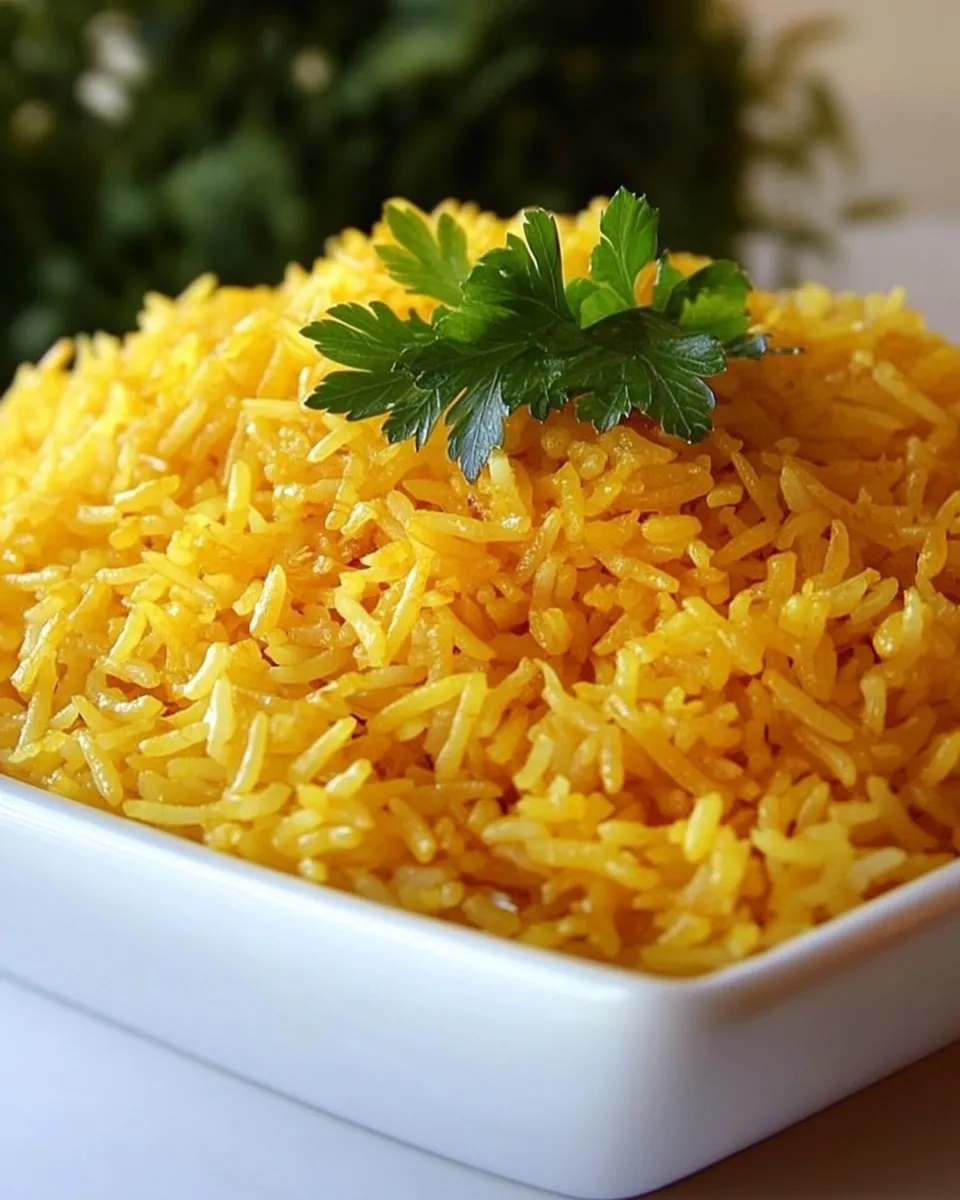
Saffron Rice Recipe
Ingredients
Equipment
Method
- Begin by rinsing the 2 cups of basmati rice under cold water until the water runs clear, then let it drain in a strainer.
- While the rice is draining, soak a pinch of saffron threads in 2 tablespoons of hot water for about 10 minutes.
- In a medium saucepan, heat 2 tablespoons of olive oil over medium heat. Add the diced onions and sauté until translucent, about 5 minutes.
- Add the rinsed basmati rice to the saucepan and toast for about 2 minutes, stirring frequently.
- Pour in 3 cups of broth along with the soaked saffron and its water. Add 1 teaspoon of salt and stir to combine.
- Increase the heat to bring to a gentle boil, then reduce the heat to low and cover the saucepan with a tight-fitting lid.
- Let the rice simmer on low heat for about 15-20 minutes, or until the liquid is absorbed and the rice is tender.
- Remove from heat and let it sit covered for another 5 minutes. Use a fork to fluff the rice gently before serving.
Notes
- Store leftovers in an airtight container in the fridge for up to 3 days.
- For freezing, let the rice cool completely before transferring to a freezer-safe bag.
- Reheat with a splash of water or broth to restore moisture.