Salted Caramel Sauce Recipe
Salted caramel sauce is one of those magical toppings that can elevate any dessert from ordinary to extraordinary. The perfect balance of sweet and salty creates a flavor explosion that tantalizes the taste buds. Whether drizzled over ice cream, swirled into brownies, or simply enjoyed by the spoonful, this salted caramel sauce recipe is a must-have in your culinary repertoire. Today, I’m excited to share a straightforward and delicious recipe that will have you mastering the art of caramel in no time!
The Upside of Salted Caramel Sauce Recipe
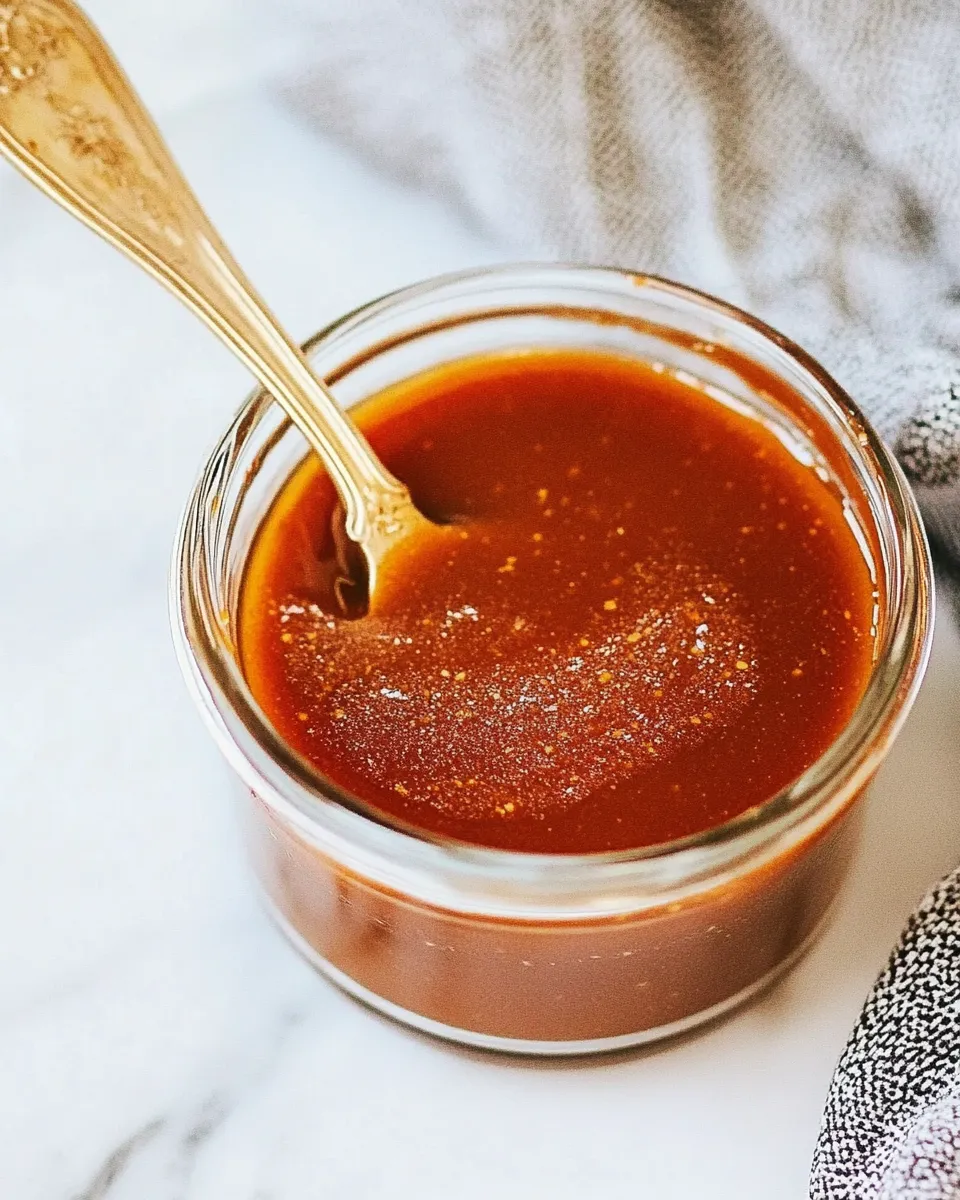
There’s something undeniably decadent about salted caramel. Its rich, buttery flavor paired with a hint of salt makes it an irresistible treat. Not only is it delicious, but making your own salted caramel sauce at home allows you to control the ingredients and customize the flavor to your liking. Plus, it’s a fantastic way to impress guests or treat yourself to something special without breaking a sweat.
Imagine drizzling this sauce over a warm slice of chocolate cake or mixing it into your morning coffee for an indulgent twist. The versatility of salted caramel sauce makes it a perfect addition to both everyday desserts and special occasion treats.
What to Buy
Before we dive into the recipe, let’s ensure you have everything you need. Here’s a quick shopping list:
- 1 cup of granulated sugar – The base for our caramel, providing that sweet flavor.
- 1/4 cup of water – Helps dissolve the sugar and prevents it from crystallizing.
- 3/4 cup of heavy cream – Adds richness and a silky texture.
- 3 tablespoons of unsalted butter – Enhances the buttery flavor and smoothness.
- 1 teaspoon of vanilla extract – Adds a warm, aromatic flavor.
- 1 teaspoon of coarse sea salt – Balances the sweetness and enhances the overall flavor.
Recommended Tools
Having the right tools can make a world of difference when creating your salted caramel sauce. Here are a few essentials you’ll need:
- Heavy-bottomed saucepan – Ensures even heat distribution to prevent burning.
- Wooden spoon or heat-resistant spatula – Perfect for stirring without scratching your pan.
- Measuring cups and spoons – For precise ingredient measurements.
- Instant-read thermometer – Optional, but useful for checking the temperature of the caramel.
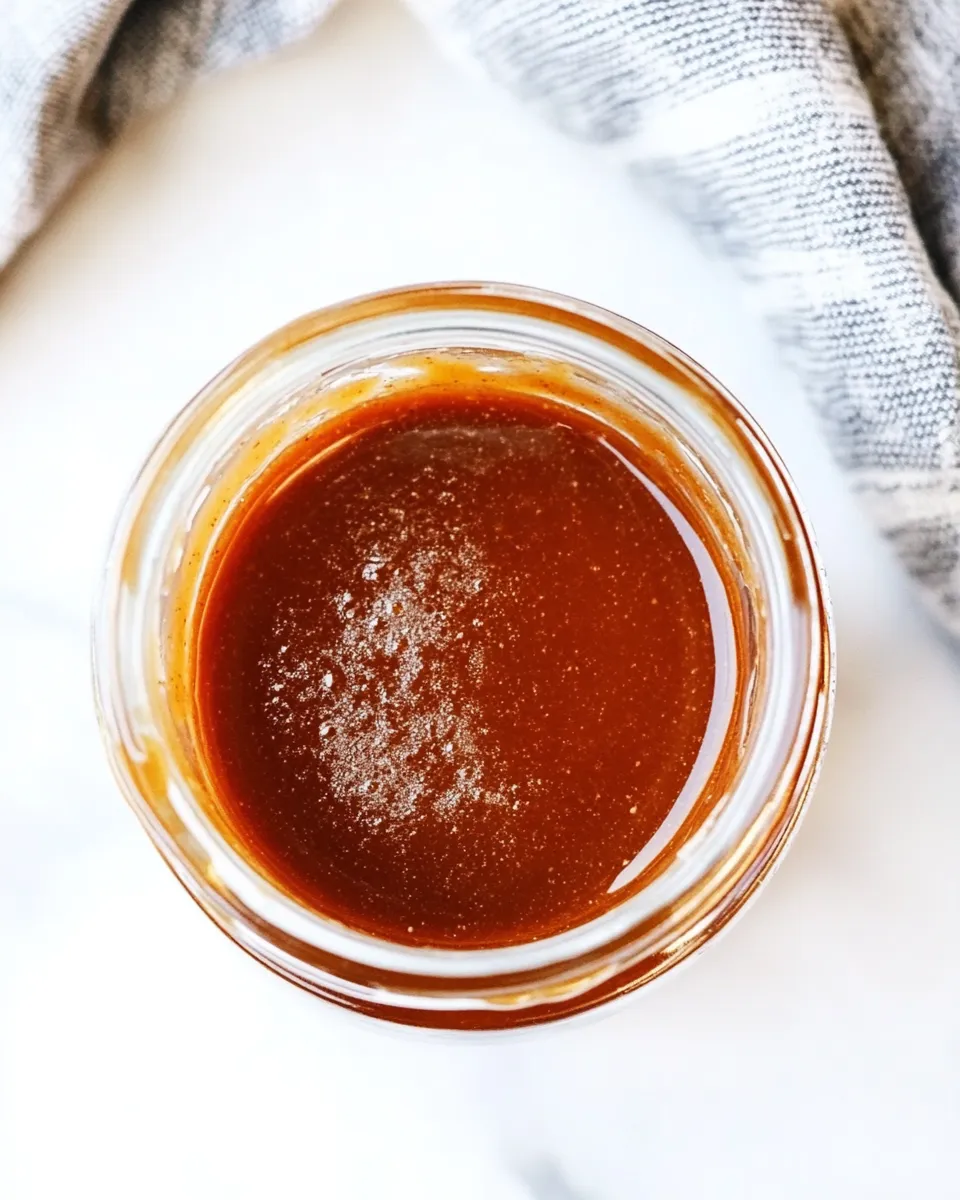
- Storage jar – To store your delicious caramel sauce once it’s made.
Method: Salted Caramel Sauce Recipe
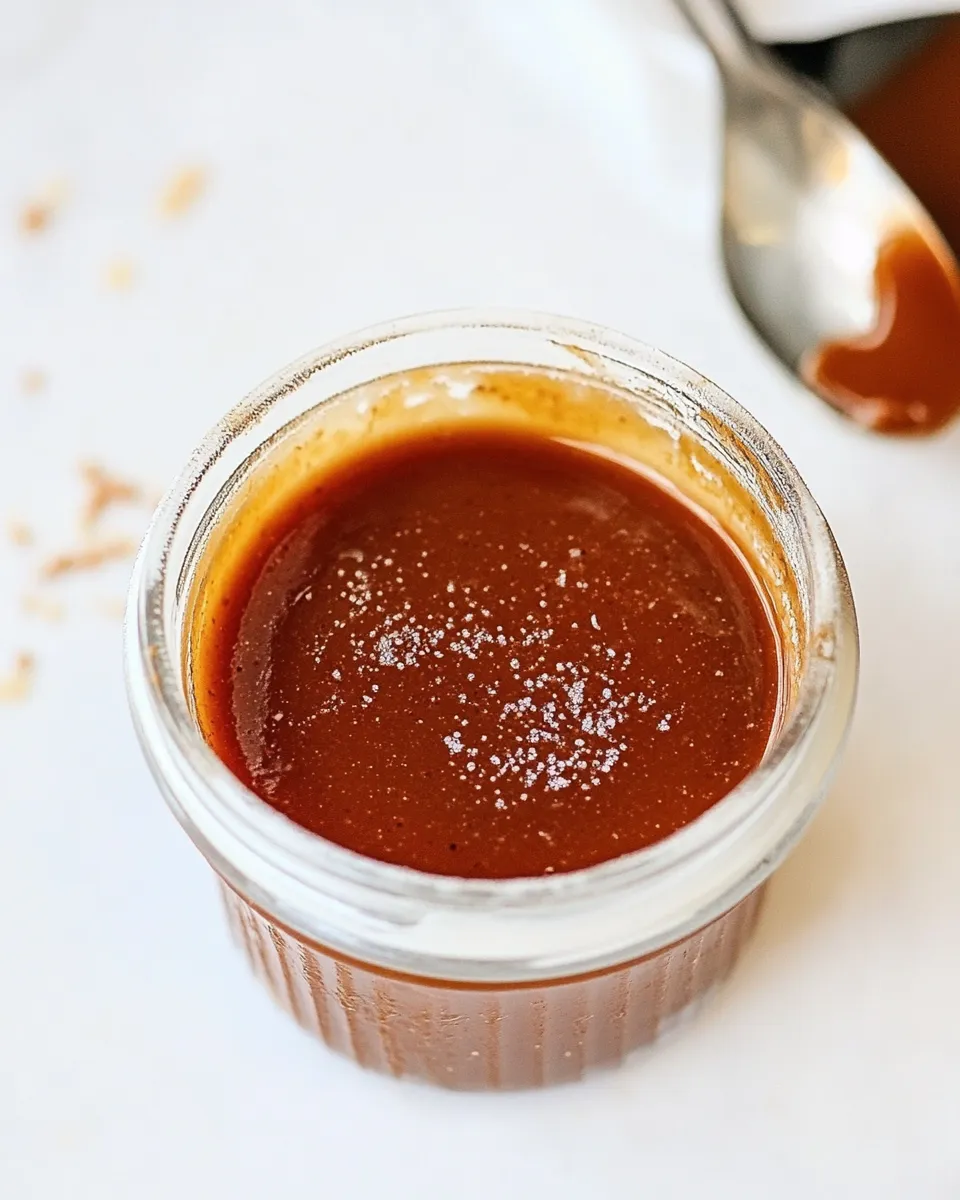
Making salted caramel sauce at home is simpler than you might think! Just follow these step-by-step instructions for a perfect result every time.
Step 1: Combine Sugar and Water
In your heavy-bottomed saucepan, combine the 1 cup of granulated sugar and 1/4 cup of water. Stir gently to combine, ensuring all the sugar is moistened.
Step 2: Heat the Mixture
Place the saucepan over medium heat. Allow the mixture to come to a boil without stirring. You can gently swirl the pan occasionally to ensure even heating. This will help the sugar dissolve completely.
Step 3: Watch for Color Change
As the mixture boils, keep a close eye on it. The sugar will begin to caramelize, changing from clear to a beautiful amber color. This process usually takes about 8-10 minutes. Be patient and resist the urge to stir; stirring can cause the sugar to crystallize.
Step 4: Remove from Heat
Once the caramel reaches a deep amber color, immediately remove the saucepan from the heat. Be careful, as the caramel is extremely hot!
Step 5: Add Cream and Butter
Slowly and carefully pour in the 3/4 cup of heavy cream, followed by the 3 tablespoons of unsalted butter. The mixture will bubble up vigorously, so take your time and stir continuously until fully combined.
Step 6: Flavor It Up
Add 1 teaspoon of vanilla extract and 1 teaspoon of coarse sea salt to the mixture. Stir well to incorporate all the flavors.
Step 7: Cool and Store
Allow the salted caramel sauce to cool slightly in the saucepan before transferring it to a storage jar. Once it has cooled to room temperature, seal the jar and store it in the refrigerator.
Seasonal Flavor Boosts
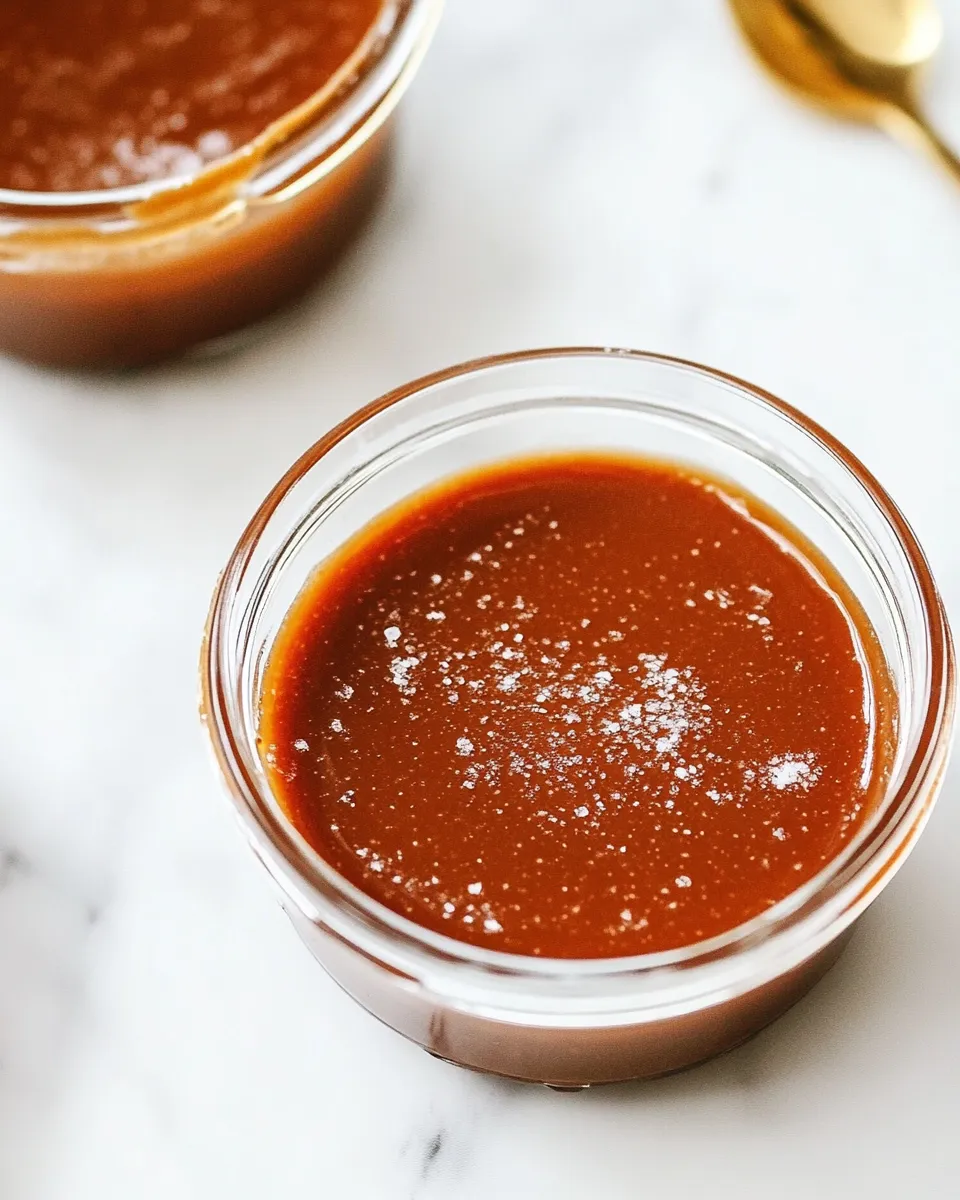
If you’re feeling adventurous, consider adding some seasonal flavors to your salted caramel sauce to make it even more special. Here are a few ideas:
- Pumpkin Spice – Add 1 teaspoon of pumpkin pie spice for a fall twist.
- Chocolate – Stir in 2 tablespoons of cocoa powder for a chocolate caramel sauce.
- Maple – Substitute half of the granulated sugar with maple sugar for a unique flavor.
- Spiced Rum – Add a splash of spiced rum after removing from heat for a warm kick.
Behind the Recipe
This salted caramel sauce recipe is inspired by traditional French caramel methods, where precision and technique are key. The magic of caramel lies in the controlled cooking of sugar, allowing it to melt and transform into a golden syrup. Adding heavy cream and butter creates a luscious texture, while the coarse sea salt enhances the sweetness and makes the flavors pop.
Creating this sauce is not just about following the steps; it’s a delightful experience that engages all your senses. The transformation of the sugar, the rich aroma that fills your kitchen, and, of course, the tasting part—it’s all part of the fun!
Prep Ahead & Store
This salted caramel sauce can be made ahead of time, making it a convenient addition to your dessert arsenal. Here are some tips for prep and storage:
- Make Ahead: You can prepare the salted caramel sauce up to two weeks in advance.
- Storage: Store the sauce in an airtight container in the refrigerator. It will thicken as it cools, so you may need to warm it up slightly before using.
- Reheating: Warm the sauce gently in the microwave or on the stovetop over low heat, stirring until smooth.
Salted Caramel Sauce Recipe Q&A
Can I use brown sugar instead of granulated sugar?
Yes, you can use brown sugar, but it will yield a different flavor and color. Brown sugar will give your caramel a deeper, more molasses-like taste.
What should I do if my caramel crystallizes?
If your caramel crystallizes, try adding a little water and gently heating it while stirring to dissolve the crystals. In the future, avoid stirring the mixture once it starts boiling.
Can I make this recipe dairy-free?
Absolutely! Substitute the heavy cream and butter with coconut cream and coconut oil for a delicious dairy-free version.
How do I know when my caramel is done?
The caramel is done when it reaches a deep amber color and has a rich aroma. If using a thermometer, it should reach about 350°F (175°C).
Let’s Eat
Now that you’ve mastered this salted caramel sauce recipe, it’s time to let your creativity shine! Drizzle it over your favorite desserts, use it as a dip for fruits, or even swirl it into your morning oatmeal for an indulgent treat. The possibilities are endless, and each spoonful is sure to bring a smile to your face.
As you savor your homemade salted caramel sauce, you’ll realize that the effort put into making it is well worth the reward. Enjoy every rich, buttery bite, and don’t forget to share it with friends and family—or keep it all to yourself!
Salted Caramel Sauce Recipe
Ingredients
Equipment
Method
- In your heavy-bottomed saucepan, combine the granulated sugar and water. Stir gently to combine, ensuring all the sugar is moistened.
- Place the saucepan over medium heat. Allow the mixture to come to a boil without stirring. You can gently swirl the pan occasionally to ensure even heating.
- As the mixture boils, keep a close eye on it. The sugar will begin to caramelize, changing from clear to a beautiful amber color. This process usually takes about 8-10 minutes.
- Once the caramel reaches a deep amber color, immediately remove the saucepan from the heat.
- Slowly and carefully pour in the heavy cream, followed by the unsalted butter. Stir continuously until fully combined.
- Add the vanilla extract and coarse sea salt to the mixture. Stir well to incorporate all the flavors.
- Allow the salted caramel sauce to cool slightly in the saucepan before transferring it to a storage jar. Once it has cooled to room temperature, seal the jar and store it in the refrigerator.
Notes
- Make the sauce up to two weeks in advance for convenience.
- Store in an airtight container in the refrigerator; it will thicken as it cools.
- Reheat gently in the microwave or stovetop before using.