Steamed Hard-Boiled Eggs
Steamed Hard-Boiled Eggs are a delightful twist on the classic preparation method, offering a unique texture and flavor that can elevate your breakfast or snack game. Whether you’re looking for a quick protein-packed snack or a delicious addition to your meal prep, these steamed eggs deliver on all fronts—fluffy, tender whites and creamy yolks, all while being incredibly easy to make. In this article, we’ll explore why steamed hard-boiled eggs stand out, how to prepare them, and tips for enhancing their flavor and presentation.
Why This Steamed Hard-Boiled Eggs Stands Out
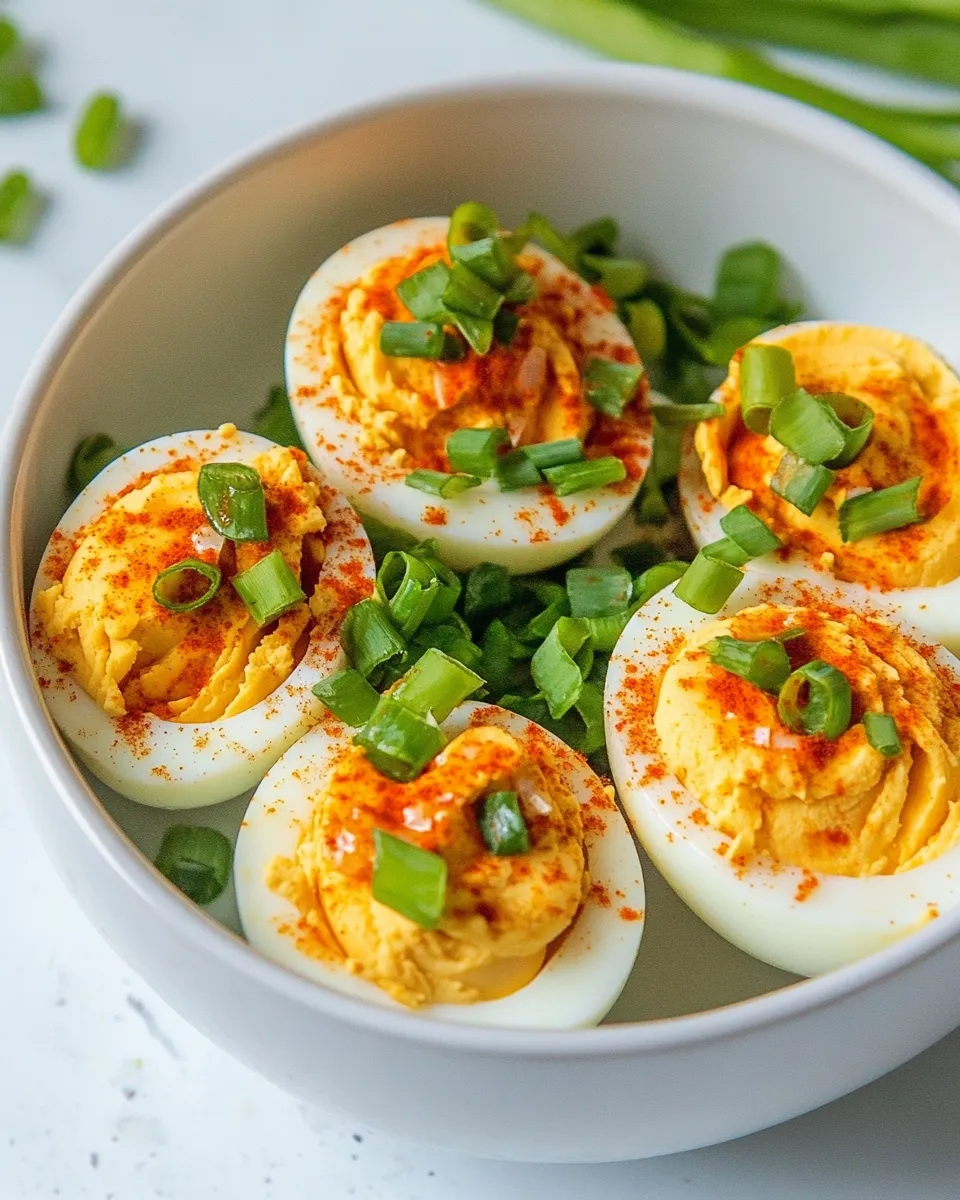
Steaming eggs rather than boiling them is a game-changer for several reasons. First, this method ensures even cooking, which leads to a perfectly set yolk without the greenish ring that often accompanies boiled eggs. Second, the steaming process makes peeling the eggs a breeze, as the steam helps separate the membrane from the shell. Lastly, the gentle heat maintains the integrity of the egg, resulting in a delightful texture that’s hard to beat. Whether you enjoy them plain, on salads, or as part of a hearty breakfast bowl, steamed hard-boiled eggs are versatile and satisfying.
The Ingredient Lineup
- 3 large eggs
- A pinch of salt
- A pinch of pepper
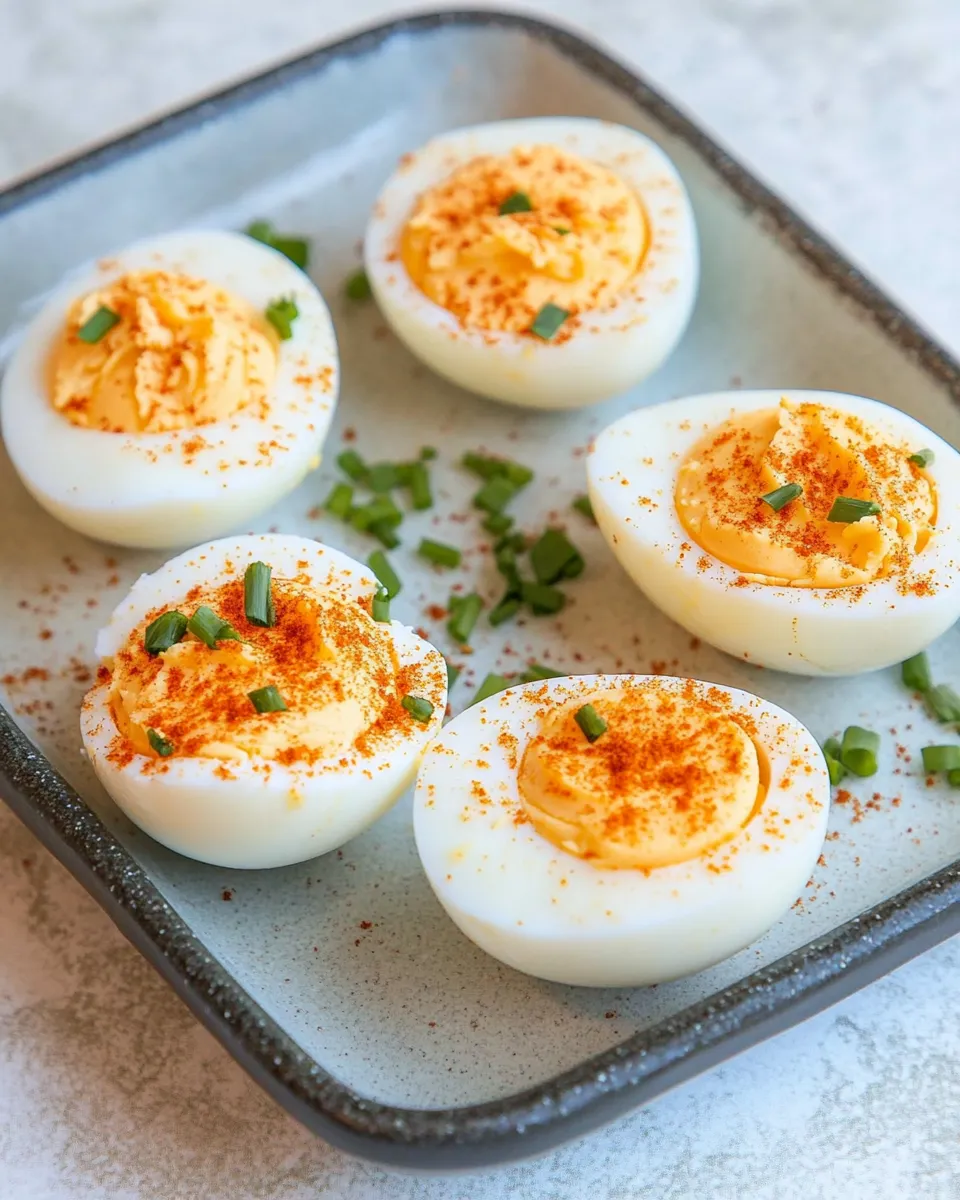
- Chives, chopped (for garnish)
Equipment at a Glance
- Steamer basket or a steaming rack – Essential for elevating the eggs above boiling water.
- Medium-sized pot with a lid – To hold the water and steamer basket.
- Timer – To ensure perfect cooking times.
- Slotted spoon – For easy transfer of the eggs from the steamer to the ice bath.
- Ice bath – To stop the cooking process and make peeling easier.
Stepwise Method: Steamed Hard-Boiled Eggs
Step 1: Prepare the Steamer
Start by filling a medium-sized pot with about an inch of water. Place your steamer basket or steaming rack inside the pot, making sure the water doesn’t touch the bottom of the basket. Cover the pot with a lid and bring the water to a gentle boil over medium heat.
Step 2: Add the Eggs
Once the water is boiling, carefully place the eggs in the steamer basket. Make sure they’re not overcrowded; they should be in a single layer for even cooking.
Step 3: Steam the Eggs
Cover the pot with the lid and let the eggs steam for about 12-14 minutes. For firm yolks, aim for the longer end of the time range.
Step 4: Prepare the Ice Bath
While the eggs are steaming, prepare an ice bath by filling a bowl with cold water and ice. This will help halt the cooking process once the eggs are removed from the heat.
Step 5: Transfer and Cool
Once the steaming time is up, use a slotted spoon to transfer the eggs directly into the ice bath. Let them sit for about 5-10 minutes, ensuring they cool completely.
Step 6: Peel and Serve
Gently tap each egg on a hard surface to crack the shell, then peel under running water for even easier removal. Once peeled, season the eggs with a pinch of salt and pepper, and garnish with chopped chives. Enjoy your delicious steamed hard-boiled eggs either warm or chilled!
Season-by-Season Upgrades
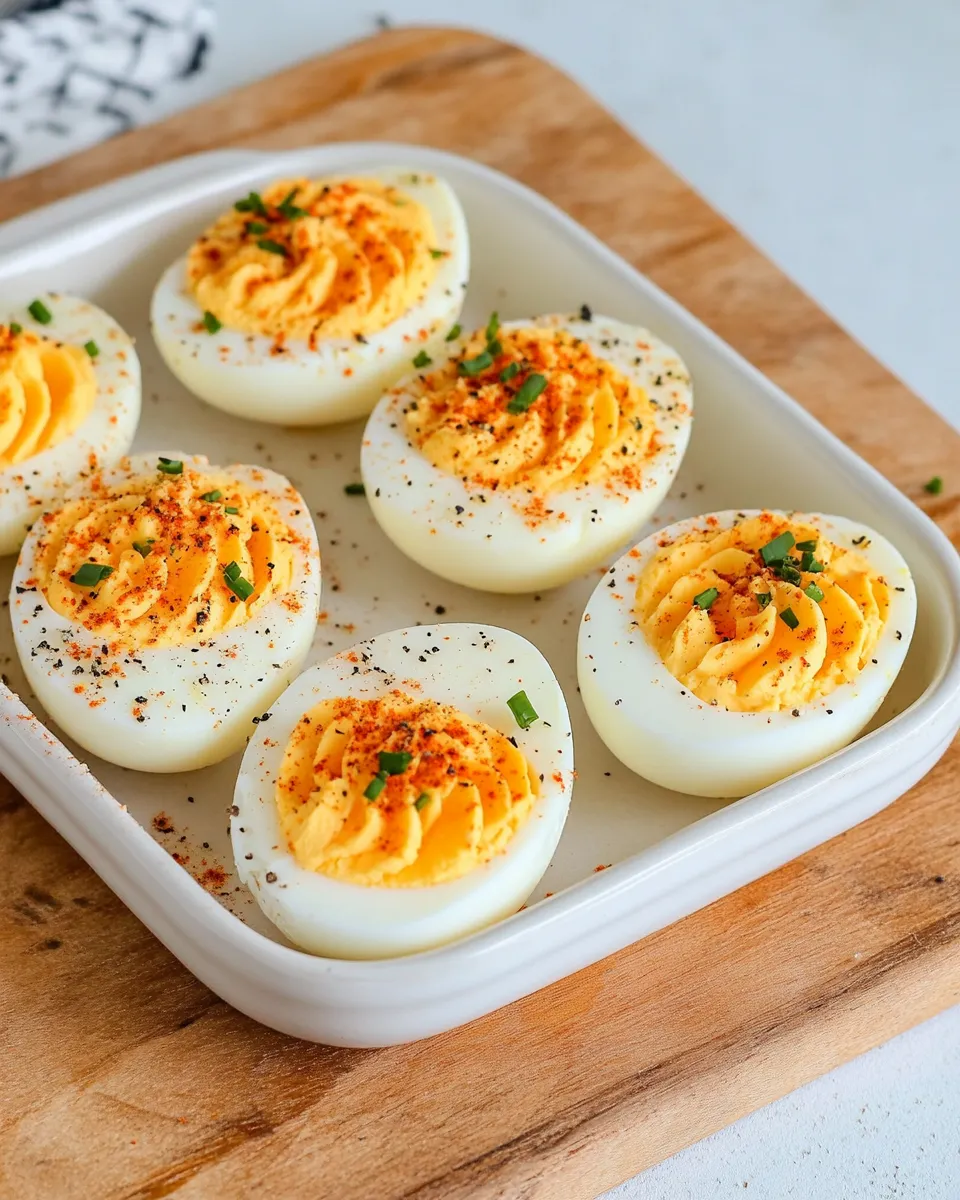
- Spring: Top with fresh herbs like dill or parsley for a refreshing twist.
- Summer: Serve with a side of avocado and tomato salad for a light meal.
- Fall: Mix in a dash of smoked paprika for a cozy, warm flavor.
- Winter: Pair with a warm grain bowl featuring quinoa and roasted veggies.
Errors to Dodge
- Overcrowding the steamer basket can lead to unevenly cooked eggs.
- Not using an ice bath may result in overcooked yolks and hard-to-peel eggs.
- Skipping the timing can lead to undercooked or overcooked eggs—use a timer!
- Using too much water in the pot can cause it to touch the eggs, leading to boiling instead of steaming.
Shelf Life & Storage
Steamed hard-boiled eggs can be stored in the refrigerator for up to one week. Keep them in their shells until you’re ready to eat to maintain freshness. If you’ve already peeled them, store them in a covered container with a damp paper towel to prevent them from drying out. Always check for any off smells or unusual textures before consuming.
Steamed Hard-Boiled Eggs Q&A
Can I steam eggs without a steamer basket?
Yes! If you don’t have a steamer basket, you can place the eggs in a heatproof dish that fits inside your pot. Just make sure to add enough water to create steam, but not so much that it touches the eggs.
How do I know when my eggs are done steaming?
The best way to know if your eggs are done is to use a timer. For large eggs, steaming for 12-14 minutes will typically yield a perfectly hard-boiled result. If you prefer a slightly softer yolk, reduce the time to around 10-11 minutes.
Can I steam more than three eggs at once?
Absolutely! Just ensure that your steamer basket can accommodate the additional eggs in a single layer without overcrowding. You may need to adjust the steaming time slightly if you are steaming a larger batch.
How can I make peeling the eggs even easier?
Older eggs tend to peel more easily than fresh ones, so if you can, use eggs that have been in your refrigerator for a week or so. Additionally, steaming rather than boiling helps with peeling, as the steam creates a gap between the egg and the shell.
Final Bite
Steamed Hard-Boiled Eggs are more than just a simple snack—they’re a culinary delight that can be enjoyed in countless ways. With their creamy texture and the ease of preparation, they’re bound to become a staple in your kitchen. Whether you savor them solo, toss them into salads, or transform them into deviled eggs, the possibilities are endless.
The next time you’re looking for a quick and nutritious option, remember that these steamed hard-boiled eggs are just a few steps away. With the right ingredients and equipment, you can whip up a batch that’s perfect for any occasion.
From breakfast to lunch, or even as a healthy snack, these eggs provide a protein-packed punch that keeps you satisfied and energized. So gather your ingredients, fire up that steamer, and enjoy the wonderful world of steamed hard-boiled eggs!
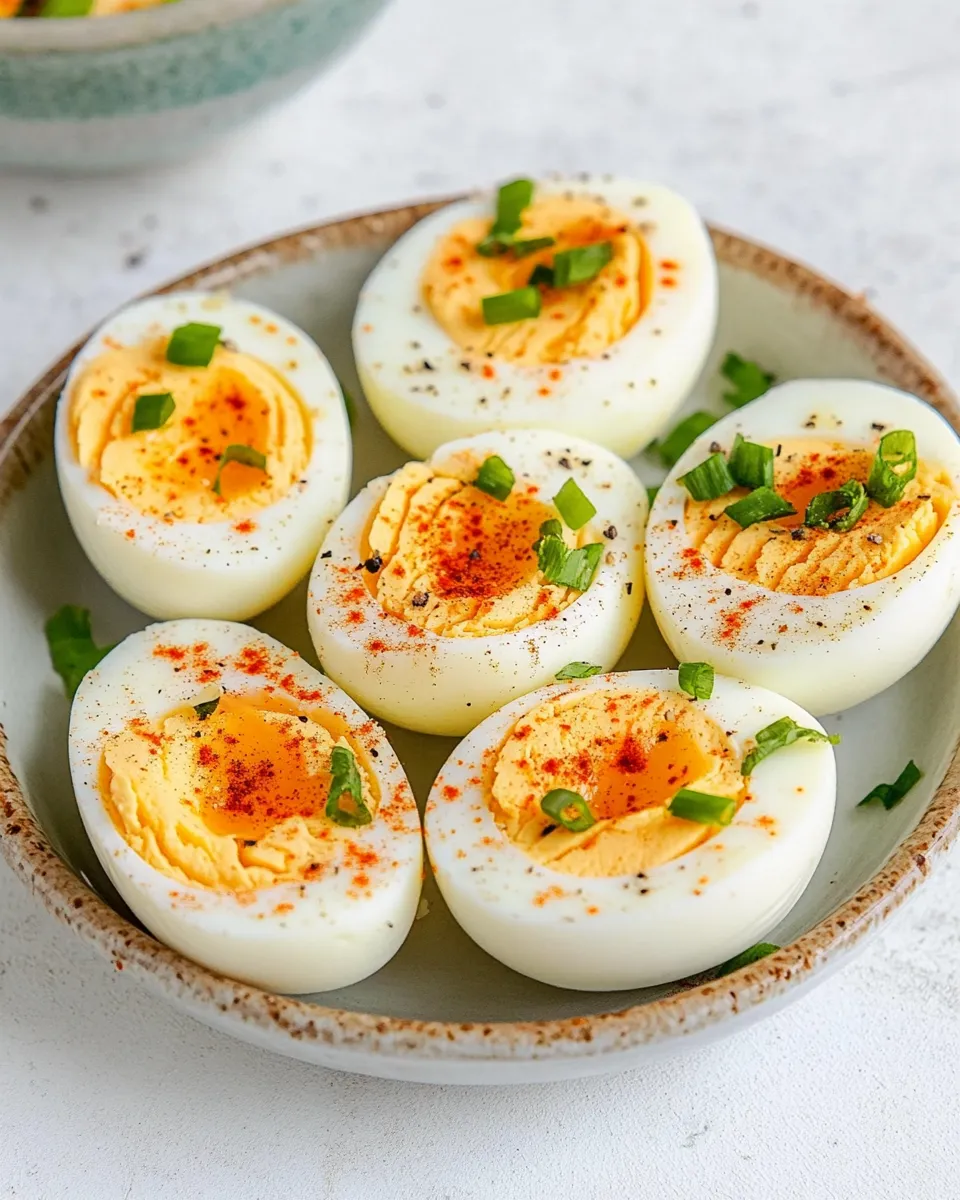
Steamed Hard-Boiled Eggs
Ingredients
Equipment
Method
- Start by filling a medium-sized pot with about an inch of water. Place your steamer basket or steaming rack inside the pot, making sure the water doesn’t touch the bottom of the basket. Cover the pot with a lid and bring the water to a gentle boil over medium heat.
- Once the water is boiling, carefully place the eggs in the steamer basket. Make sure they’re not overcrowded; they should be in a single layer for even cooking.
- Cover the pot with the lid and let the eggs steam for about 12-14 minutes. For firm yolks, aim for the longer end of the time range.
- While the eggs are steaming, prepare an ice bath by filling a bowl with cold water and ice. This will help halt the cooking process once the eggs are removed from the heat.
- Once the steaming time is up, use a slotted spoon to transfer the eggs directly into the ice bath. Let them sit for about 5-10 minutes, ensuring they cool completely.
- Gently tap each egg on a hard surface to crack the shell, then peel under running water for even easier removal. Once peeled, season the eggs with a pinch of salt and pepper, and garnish with chopped chives. Enjoy your delicious steamed hard-boiled eggs either warm or chilled!
Notes
- Store peeled eggs in a covered container with a damp paper towel to prevent drying out.
- Use older eggs for easier peeling.
- Always check for off smells or unusual textures before consuming.