
How to Store Strawberries
When it comes to enjoying the sweet, vibrant flavor of strawberries, nothing beats having them fresh and ready to eat. However, strawberries can be delicate and prone to spoilage if not stored properly. If you’ve ever bought a pint of those luscious red berries only to find them mushy or moldy a few days later, you know how disappointing it can be. In this guide, we will explore the best methods for preserving the freshness of your strawberries, ensuring you can enjoy their delightful taste for as long as possible.
Top Reasons to Make How to Store Strawberries
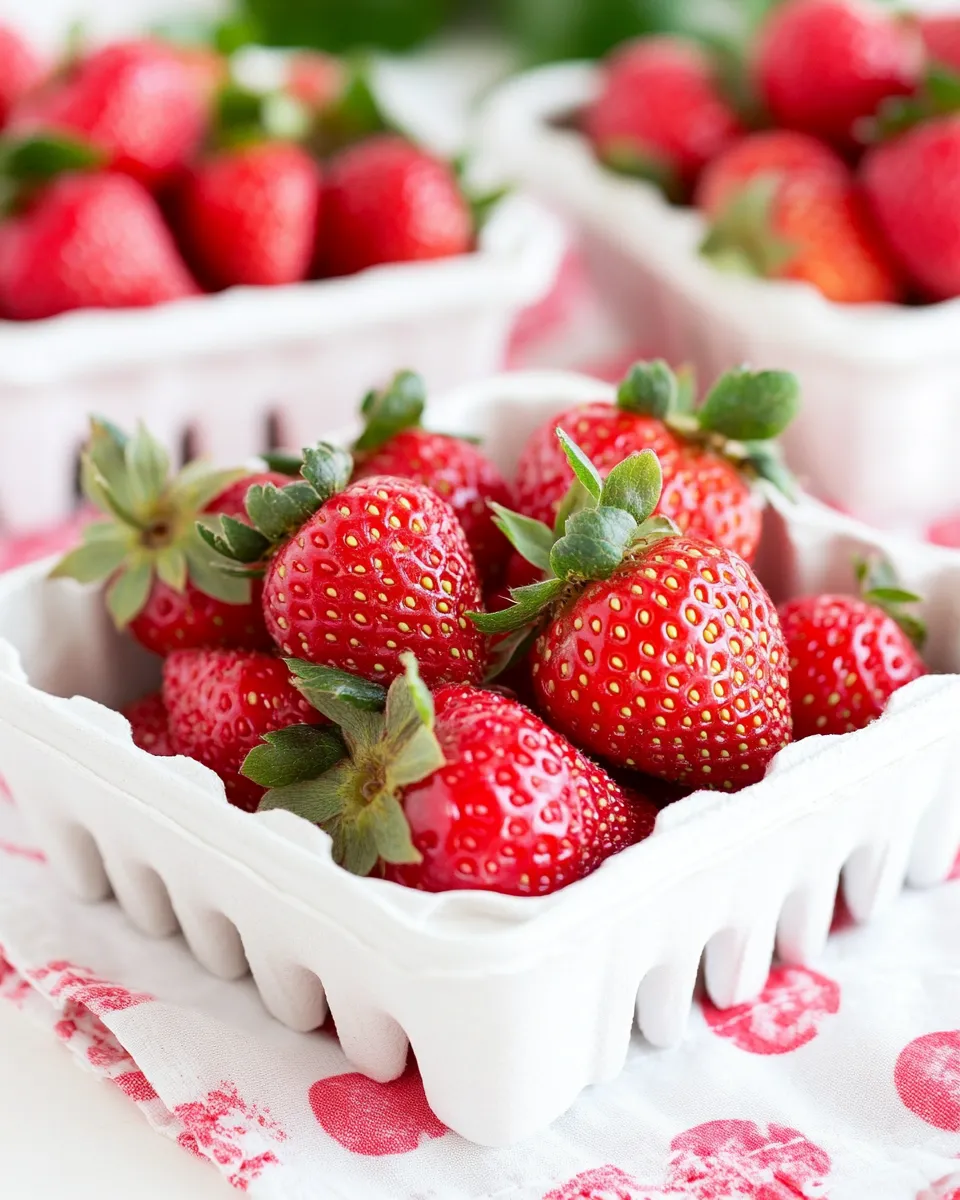
Storing strawberries correctly is essential for several reasons. First and foremost, it helps maintain their delicious flavor and juicy texture. Proper storage can significantly extend the shelf life of your strawberries, preventing waste and saving you money. Additionally, knowing how to store strawberries allows you to enjoy seasonal berries long after the summer months have passed. Lastly, when done correctly, you can have strawberries ready for smoothies, desserts, or salads at a moment’s notice, making meal prep a breeze.
Ingredient Checklist
To effectively store your strawberries, you will only need one ingredient:
- 1 pint whole ripe strawberries, un-rinsed
Equipment & Tools
Having the right tools on hand makes the storage process easier and more efficient. Here’s what you’ll need:
- Plastic container with a lid – helps to keep moisture in while preventing excess humidity.
- Paper towels – absorb excess moisture and prevent mold growth.
- Refrigerator – the ideal environment for prolonging freshness.
- Knife (optional) – for removing any damaged berries before storage.
How to Store Strawberries Cooking Guide

Storing strawberries properly is a simple process, but it requires a few careful steps to ensure they remain fresh and tasty.
Step 1: Choose the Right Strawberries
When selecting strawberries, look for those that are bright red, plump, and fragrant. Avoid any with bruises or mold, as these can lead to quicker spoilage.
Step 2: Do Not Rinse Them Immediately
It’s essential to keep your strawberries un-rinsed until you’re ready to eat them. Washing them before storage can introduce moisture, which encourages mold growth.
Step 3: Inspect and Remove Damaged Berries
Gently go through the pint and remove any damaged or overripe strawberries. Even one bad berry can cause the others to spoil faster.
Step 4: Line Your Storage Container
Take a clean plastic container and line the bottom with a paper towel. This will help absorb any moisture that may accumulate during storage.
Step 5: Arrange the Strawberries
Place the un-rinsed strawberries in the container in a single layer, if possible. Avoid stacking them on top of each other, as this can lead to bruising and spoilage.
Step 6: Cover and Store
Cover the container with a lid, but ensure it is not airtight. This allows for some airflow, which is crucial to prevent humidity buildup.
Step 7: Refrigerate
Place the container in the refrigerator. The cold temperature will help slow down spoilage and keep your strawberries fresh for longer.
Low-Carb/Keto Alternatives
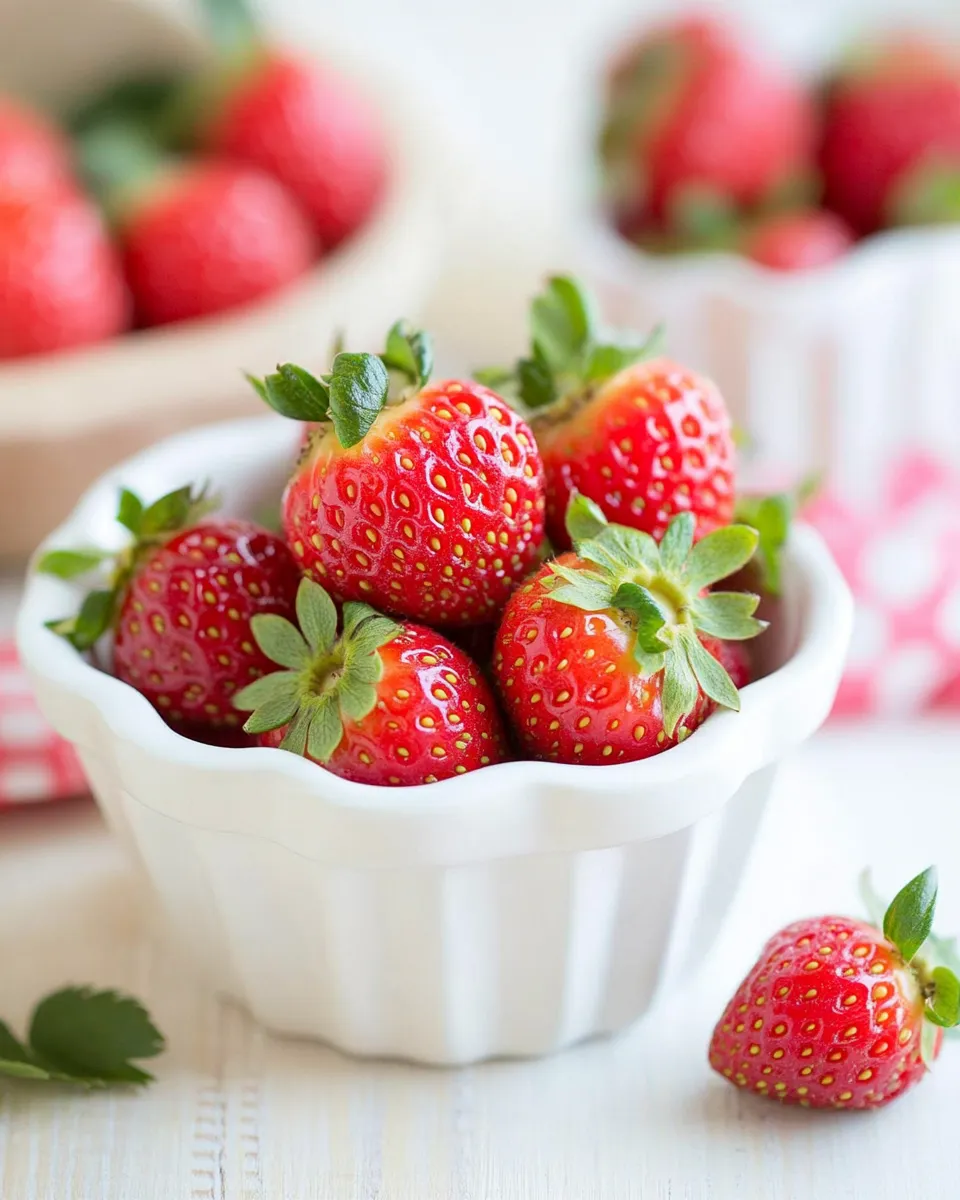
For those following a low-carb or keto lifestyle, strawberries can be enjoyed in moderation due to their relatively low sugar content. Here are some alternatives to consider:
- Use strawberries as a topping for low-carb yogurt or chia seed pudding.
- Incorporate strawberries into a spinach salad with feta and nuts.
- Blend strawberries into smoothies with low-carb protein powder and almond milk.
- Freeze strawberries for a refreshing low-carb snack.
Frequent Missteps to Avoid
When it comes to storing strawberries, there are a few common mistakes that can lead to disappointment. Here are some missteps to avoid:
- Rinsing strawberries before storage – always wait until you are ready to eat them.
- Storing in a sealed container – ensure there is some airflow to prevent moisture buildup.
- Ignoring damaged berries – remove any spoiled strawberries to protect the others.
- Leaving them at room temperature – always store strawberries in the refrigerator to maintain freshness.
Meal Prep & Storage Notes
To make the most of your strawberries, consider these meal prep and storage tips:
Strawberries can last up to a week in the refrigerator when stored properly. If you have a larger batch, consider freezing them for later use. Simply wash, hull, and slice them before placing them in a single layer on a baking sheet. Once frozen, transfer them to a freezer-safe bag for easy access.
When planning meals, consider using strawberries in a variety of dishes. They can be added to salads, blended into smoothies, or used as a topping for desserts and breakfast items. The versatility of strawberries makes them a perfect ingredient for meal prep.
Troubleshooting Q&A
What should I do if my strawberries start to mold?
If you notice mold on any strawberries, immediately remove the affected berries from the container. Check the remaining strawberries for any signs of spoilage and discard any that are bruised or overripe.
How long can I keep strawberries in the fridge?
When stored correctly, strawberries can last up to a week in the refrigerator. However, it’s best to consume them within 3-5 days for optimal freshness and flavor.
Can I freeze strawberries if they are starting to go bad?
It’s best to freeze strawberries that are still fresh. If they are starting to go bad, the texture may not hold up well after freezing. Only freeze strawberries that are firm and free of mold.
Is it necessary to store strawberries in a container?
While it’s not strictly necessary, storing strawberries in a container helps protect them from bruising and provides a controlled environment to reduce moisture buildup, which can lead to spoilage.
Save & Share
If you found this guide on how to store strawberries helpful, consider saving it for later or sharing it with friends and family! The joy of fresh strawberries can be enjoyed by everyone with the right storage techniques. You can even create a social media post to inspire others to enjoy these delicious berries.
Strawberries are not only a delightful treat but also a wonderful addition to a healthy lifestyle. By mastering the art of how to store strawberries, you can ensure that every pint you purchase remains fresh, flavorful, and ready for your favorite recipes. With just a few simple steps, you’ll be able to savor the taste of summer all year round. Happy storing!
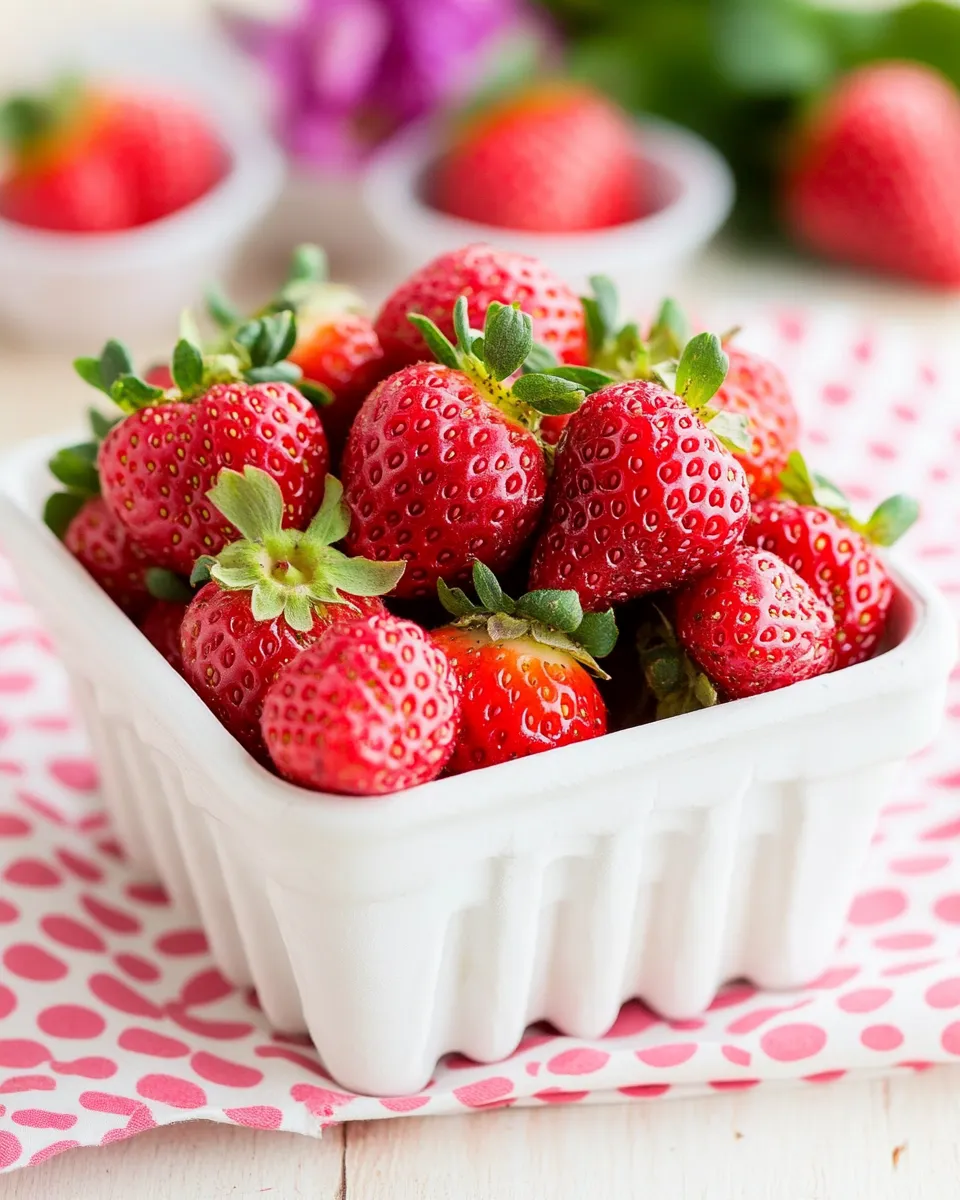
How to Store Strawberries
Ingredients
Equipment
Method
- Step 1: Choose the Right Strawberries - Look for bright red, plump, and fragrant strawberries, avoiding bruises or mold.
- Step 2: Do Not Rinse Them Immediately - Keep strawberries un-rinsed until ready to eat to prevent moisture and mold growth.
- Step 3: Inspect and Remove Damaged Berries - Remove any damaged or overripe strawberries to prevent spoilage of others.
- Step 4: Line Your Storage Container - Use a paper towel at the bottom of a clean plastic container to absorb moisture.
- Step 5: Arrange the Strawberries - Place strawberries in a single layer in the container to avoid bruising.
- Step 6: Cover and Store - Cover the container with a lid, ensuring it is not airtight to allow airflow.
- Step 7: Refrigerate - Place the container in the refrigerator to slow down spoilage and keep strawberries fresh.
Notes
- Store unwashed strawberries to prevent moisture buildup.
- Remove any damaged berries immediately to protect others.
- Use a paper towel to absorb excess moisture in the container.
